


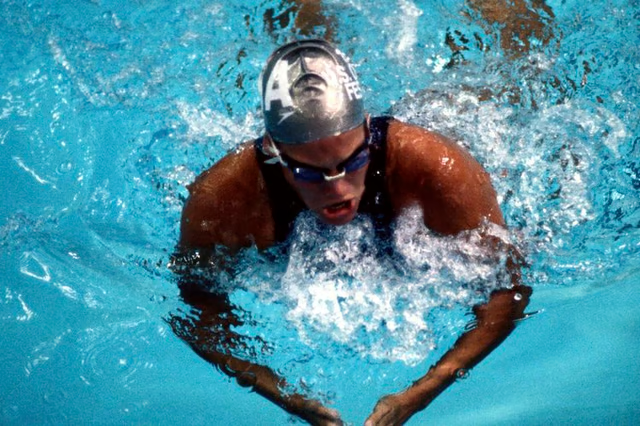
As is often the case with exercise, swimming can be helpful or hurtful, depending on how it's practiced. A low-impact exercise, swimming can help you continue to exercise while recovering from a strained muscle, such as a back or hamstring strain. However, competitive swimmers can develop strained muscles, particularly neck and calf muscles, while swimming if they don't practice proper form or stretch appropriately.
Relieving Strains
If you're not a competitive swimmer, swimming is one way to stay active after straining a muscle. According to MayoClinic.com, most people strain muscles in their lower back or hamstring area by lifting heavy items incorrectly or sitting with poor posture for long periods of time. The American Academy of Family Physicians recommends rest to recover from a strained muscle, but gentle, low-impact exercise such as leisurely swimming and walking can help keep you fit without stressing the sore muscle.
Neck Strain
For competitive and avid swimmers, swimming isn't such a gentle exercise. With powerful, fast movements, swimmers can strain their muscles. Neck strain is a common swimming injury among competitive swimmers, and it can occur when the swimmer doesn't alternate sides while breathing during freestyle practice, doesn't flip correctly at the end of a lane or holds his head too high while breathing with the breaststroke. After hours of holding his neck incorrectly, a competitive swimmer can develop neck strain. Training with a kickboard can also lead to neck strain, as it forces your shoulders and neck into an awkward swimming position while you work your lower body.
Calf Strain
Calf cramps are a common complaint among swimmers, often caused by swimming with pointed toes or while wearing flippers. For competitive and avid swimmers, these cramps can lead to muscle strain in the calf. Swimming with pointed toes stretches the foot arch and the calf, and over a long practice session, this can stress the calf muscle to the point that it begins to strain or even tear. Pushing off the wall using just your toes instead of your whole foot can also lead to a strain. To avoid calf strain, swim with your ankles relaxed. If you're using flippers, start slowly, using the flippers just a few minutes at a time, and build up to using them for longer sessions.
Muscle Repair
Stretching your neck and calf muscles before and after swimming can help reduce the chance of muscle strain. If you experience a neck or calf muscle strain from swimming, rest that muscle for a few days to let it heal. Continuing to train can cause the strain to worsen. Apply the RICE method where you rest the muscle, use ice or a cold pack on the painful area, wrap it with a compression bandage if possible to help support the muscle while it heals and elevate the muscle in a relaxed position. Return to moderate activity once the pain subsides. With any muscle strain, consult with a sports-injury specialist to make sure further action isn't necessary and to help you determine when it's safe to begin full training again.
