
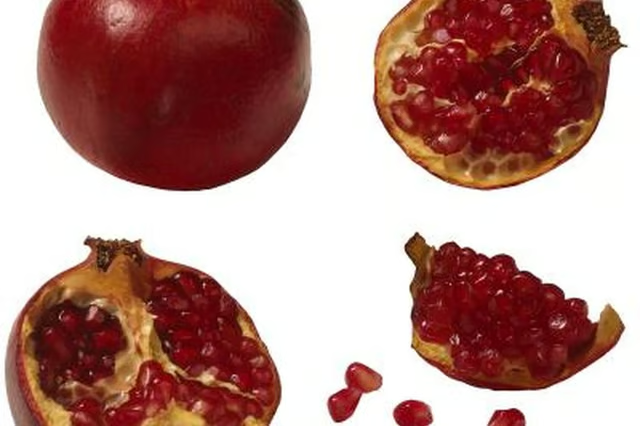
Pomegranates are beneficial for their antioxidant vitamin content and phytonutrients. Each pomegranate fruit provides 28 milligrams of vitamin C, 1.69 milligrams of vitamin E and 1 milligram of zinc. According to American Institute for Cancer Research nutritionist Karen Collins, M.S., C.D.N., some compounds in pomegranates increase antioxidant activity even further.
Section It
Step 1
Cut off the top and bottom parts of the pomegranate, revealing the seeds inside.
Step 2
Score the skin on the sides from top to bottom to create sections.
Step 3
Holding the pomegranate with both hands, pull it apart in sections. Eat the fruit, one section at a time, discarding the pith, or white rind around the seeds. If you do not like the crunchy seeds inside the seed casings, spit them out.
Soaking and Juicing
Step 1
If you would prefer not to pick the seeds from the pith yourself, soak the pomegranate. After you score the sides of the fruit, immerse it in water for five to 10 minutes to separate the seeds from the pith.
Step 2
Collect the seeds, which will generally sink to the bottom, while the pith will float. This is an easy way to separate them, but you will lose some of the pomegranate's nutritious juice by doing it this way.
Step 3
For juice, strain pomegranate seeds in a juicer. They will lose some of their fiber content, but the convenience of juicing the seeds may entice you to drink more of the pomegranate as juice than you would consume if you eat the seeds. The antioxidant content of pomegranate juice is among the highest of any foods, according to Ed Stover and Eric W. Mercure, who discuss its benefits in "The Pomegranate: A New Look at the Fruit of Paradise," a paper published by the U.S. Department of Agriculture. Aside from its store of the antioxidants zinc and vitamins A and E, pomegranates contain ellagic acid and punicalagin, which are powerful antioxidants.
