
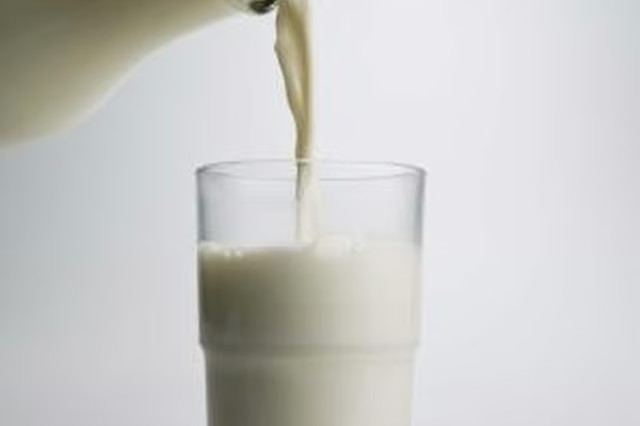
If you want to cut excess calories from your diet, the first place to look is your drinking glass. Research shows that you drink an average of 300 calories each day, and most women choose soft drinks over healthier beverages, like milk. A can of soda and a cup of milk may have a similar calorie count, but their calories come from very different sources.
Calorie Information
Regular cola contains 11 calories per ounce, compared to 13 calories per ounce for 1-percent milk. The calories in soft drinks come from added sugar or sweeteners. Just one 12-ounce can of cola contains 10 teaspoons of sugar. Fruit punch contains 11 1/2 teaspoons of sugar per serving and orange soda contains 13 teaspoons. One cup of 1-percent milk provides 8 grams of protein, a key nutrient for building muscles and other body tissues, 2 grams of fat and some natural sugars. Milk is also a rich source of vitamins and minerals. For good health, The U.S. Department of Agriculture recommends consuming 3 cups of dairy foods, including milk, each day.
Bone Health
Milk is a source of calcium and phosphorus, essential minerals that keep your bones hard and strong. For optimum bone health, you need a balance of these two minerals. Soft drinks contain no calcium, and some may actually harm your bones. Early research shows that heavy soda drinkers may have a higher risk for developing osteoporosis, a condition that causes brittle bones and increases your risk for fractures. Women have smaller bones than men, and have a higher risk for osteoporosis. For heavy soda drinkers, the phosphoric acid in soda may leech calcium from the bones, causing bones to weaken over time.
Other Nutrients
Milk is fortified with vitamins A and D. Vitamin D builds strong bones, and vitamin A protects against cell damage and promotes eye, skin and tissue health. One cup of milk also provides 366 milligrams of potassium, an important mineral for blood pressure control. Most soft drinks provide no nutrition other than sugar, however, some diet sodas and flavored juice cocktails are fortified with some vitamins and minerals.
Diet Soft Drinks
Sugared soft drinks are high in calories, but diet soft drinks may not necessarily be a good substitute. A paper published in “Neuroscience” revealed that the artificial sweeteners used in diet soft drinks may trigger a sugar craving, leading to overeating. Several studies suggest that diet sodas could lead to weight gain, but other studies dispute this finding. When thirst hits, reach for a tall glass of water. For flavor, add a spritz of 100-percent fruit juice. Save your beverage calories for nutrient-rich drinks like milk, and enjoy regular and diet soft drinks as occasional treats.
