
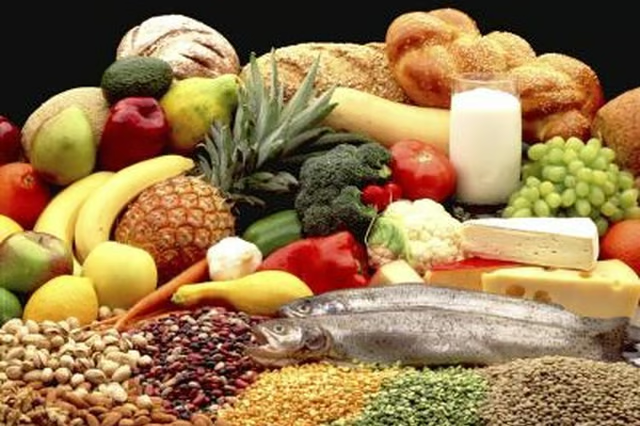
Your body needs six nutrients to function properly -- carbohydrates, proteins, fats, vitamins, minerals and water. Each has its own unique role to play. Carbohydrates, proteins and fats are known as macronutrients because your body requires them in greater amounts than other nutrients. Of all the nutrients, only carbohydrates, proteins and fat provide energy directly; the others only assist in energy production. Include a wide variety of foods in your diet to maximize your nutritional health.
Fats
Fats supply your body with energy, and at 9 calories per gram, they are the most concentrated energy source of all the nutrients. That's why its easy to pack on the pounds if your diet is overly fat-laden. Don't jump to the conclusion that your body doesn't need fat, though, because it's an integral part of cells and also helps transport nutrients throughout your body. Without fat, proper growth is impossible. In foods, fat enhances flavor and provides a smooth texture, especially important in baked goods. Fat also aids in feelings of satiety.
Carbohydrates
Carbohydrates, or "carbs" as they are more commonly known, are your body's preferred energy source. Providing 4 calories per gram, they are the fuel your body depends on, much like gas is the fuel your car depends on. Your brain and nervous system rely totally on glucose, a simple carbohydrate, for proper functioning. As a result, following a low-carb, high-protein diet can often make you feel tired and irritable, as your fuel source just isn't right.
Sugars, starches and fiber are all classified as carbs. Common examples of sugar are glucose and fructose. When many of these sugars link together chemically they form starches. Bread, pasta, cereals, corn and potatoes are examples of starches.
Fiber is a carb important for digestive health and constipation prevention. It differs from other carbs because your body can't digest or absorb it. Eat a high-fiber diet if you want to lose weight -- you will feel full on fewer calories. Your risk of developing chronic diseases such as heart disease and type 2 diabetes will be lessened, too.
Protein
Protein is an essential nutrient for growth and repair of your body cells, including muscle tissue. It also plays an important role in immunity, and can be used for energy when carbs and fat are in short supply. Enzymes and hormones require proteins for their formation. Getting sufficient protein in your diet is most likely not problematic, as most Americans get enough as part of a balanced diet.
Basics of a Healthy Diet
Eating healthy requires a balance of all the nutrients from five different food groups, vegetables, fruits, dairy, protein foods and grains. Think about and visualize what your food will look like on your plate or bowl before eating. The healthiest meals consist of half fruits and vegetables, according to the U.S. Department of Agriculture's MyPlate nutrition education program.
