
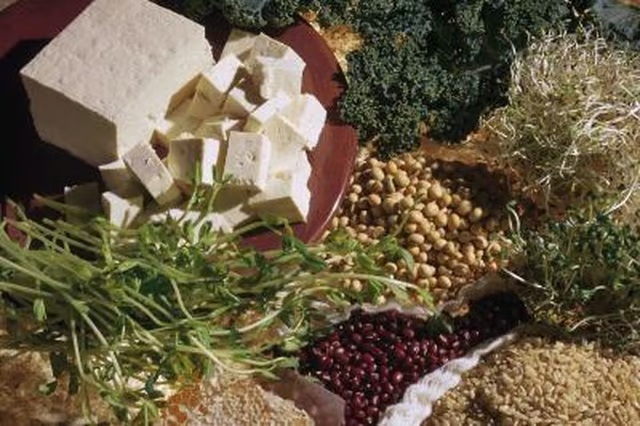
Vegetarians need the same amount of daily protein as non-vegetarians, though it comes from different sources. According to the Centers for Disease Control and Prevention, women should consume 46 grams of protein per day, or 10 to 35 percent of daily calorie intake from protein. Protein needs on a vegetarian diet can be met by eating legumes, algae, whole grains, soy products, nuts and seeds. Certain types of vegetarians get protein from dairy and eggs as well.
Protein Defined
Proteins are chains of molecules called amino acids. Some amino acids can be made by your body, but others cannot. The ones your body cannot make are called essential amino acids. Complete protein sources, such as milk, meat and fish, contain all of the essential amino acids, while incomplete sources like rice, beans and nuts, may be lacking one or more of the essential amino acids. Complementary proteins are incomplete proteins that can be combined to provide adequate essential amino acids.
Dairy
Vegetarians who eat dairy products may find it easier to meet their daily protein requirements. One cup of milk has 8 grams of protein, while an 8-ounce container of yogurt has 11. One cup of low-fat cottage cheese contains over half of a woman's daily protein requirement with a generous 28 grams. Choosing low-fat or fat-free milk and milk products can reduce your fat intake but not your protein intake.
Legumes
One of the best sources of protein for vegetarians is found in legumes. This class of vegetable includes beans, lentils, peanuts and peas. For example, 1 cup of cooked lentils contains 17 grams of protein, and 1 cup of peas has 16 grams. Soybeans products, such as tofu and tempeh, are protein staples for many vegetarians. Even soy milk contains 11 grams of protein in 1 cup.
Grains
Most whole grains contain protein. Cooked wheat bulgur, used in many types of salads and ethnic foods, contains 5.6 grams of protein in 1 cup. Pasta and bread made from whole grains contain protein as well. Toasted rye bread contains 2 grams of protein per slice, and a bowl of many varieties of whole-grain cereal can provide several grams of protein.
Other Protein Sources
Other protein-rich foods include nuts, seeds and eggs. Eating just one-quarter cup of pecans will give you 2.3 grams of protein, while the same serving size of dry-roasted sunflower seeds has 6 grams. The pseudograin quinoa is a complete protein source often used like a grain. One cup of cooked quinoa provides 8 grams of protein. Eggs provide 6 grams of complete protein per egg and vitamin B12, which is often deficient in vegetarian diets.
