
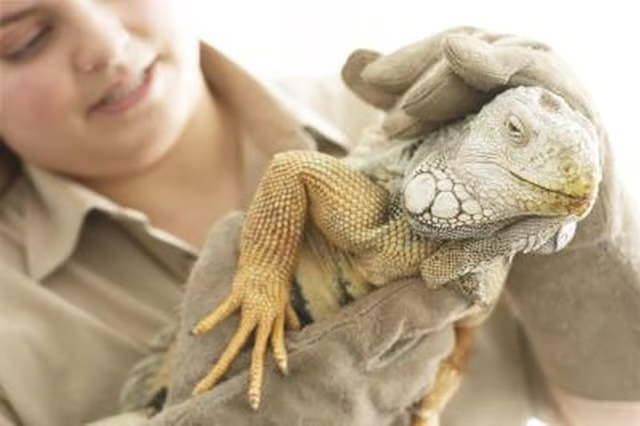
Animal care isn't for the faint of heart. However cute you find those baby animals on the Internet, the real-life job of animal care is hard physical work. Keeping the animals healthy and happy requires constant vigilance from zookeepers, and those enclosures don't clean themselves. There aren't any universal educational requirements or certifications needed to become a zookeeper, but if your heart is set on working with animals, you'll still need to put in some serious effort.
Basic Education
In most zoos, the only formal education requirement is a high school diploma. Large and high-profile zoos, especially zoos that are active in conservation and breeding of rare species, are more likely to require a college degree. Degrees in zoology or animal sciences are available at most universities, and either would be good preparation for a zoo career. A smaller number of schools have a formal keeper training program for undergraduate science students. Although any formal training can be useful, it's often less important than experience in handling animals.
Experience and Volunteering
It's important to know and understand the science of animal-keeping, but there's no substitute for hands-on experience. Professional animal care often boils down to simple observation. If you've interacted with animals on a long-term basis, you'll understand their normal appearance and behavior. That experience is valuable to a zoo, and it's something it looks for in applicants. If you've grown up on the farm, you already know about caring for animals. Otherwise, it's important to find a volunteer position or internship in some form of animal care. If you can't get into a zoo, volunteer at a farm, veterinary clinic, animal shelter or any other venue you can find.
Specialized Training and Professional Organizations
Although there aren't any formal certifications in the zookeeping field, a number of organizations can help you differentiate yourself from other applicants. For example, the Elephant Manager's Association makes its education manual available as a free download. The Association of Zoos and Aquariums offers webinars, formal web-based training programs and a number of multiday seminars in locations across the country. Participating in any of those programs demonstrates a level of commitment and professionalism that can help win you a job in your chosen field. Membership in these and other organizations provides a crucial networking opportunity, aside from the knowledge you'll gain.
Career
Some careers are attractive because of their pay or glamour. Zookeeping isn't one of those. The U.S. Bureau of Labor Statistics reported a median salary of less than $20,000 for non-farm animal care workers in its 2011 Occupational Outlook Handbook, and shoveling manure -- however exotic -- is hardly glamorous. Despite this, it's a highly competitive field. Susan Danhauser, Director of Human Resources for the Jacksonville Zoo and Gardens, told the University of Florida that her zoo regularly sees 100 applicants or more for every opening. Some zoos also give preference to applicants from their local area. If you want to break into zoo work, you'll need to give it a serious effort.
