


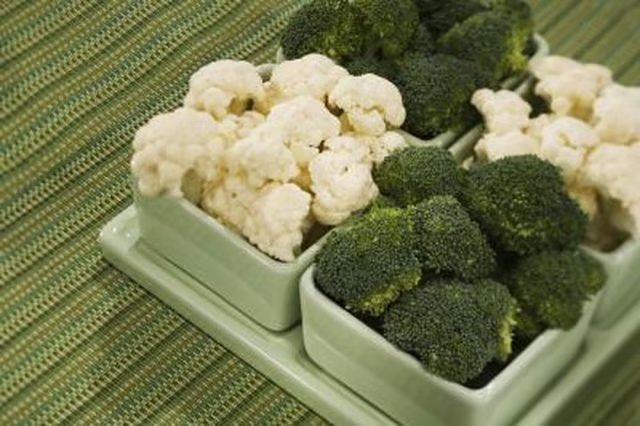
It is often hard to separate fact from fiction when it comes to identifying which foods are healthy. Broccoli is low in calories and contains dietary fiber, complex carbs, vitamins and minerals. However, broccoli also contains phytochemicals called goitrogens. When you consume goitrogens, they may inhibit your body's ability to absorb iodine -- an essential mineral required for thyroid function -- and reduce your body's ability to produce thyroid hormones that regulate energy use. Low levels of thyroid hormones -- a condition called hypothyroidism -- are associated with unexplained weight gain and poor health.
Thyroid Function
Your thyroid gland is located in your neck. It produces hormones that regulate the balance of energy in your body, whether your body uses energy stores to meet energy demands or converts available energy to stored energy. Thyroid hormone levels in your body are in delicate balance; too little or too much thyroid hormone can lead to disease. In the case where the gland cannot produce adequate levels of thyroid hormone -- hypothyroidism -- you may gain weight, appear pale, be fatigued, your hair, skin and nails will have poor texture, you will be more sensitive to cold, have dulled senses and be depressed or anxious, notes PubMed Health.
Goitrogens
A goiter is a swelling of the thyroid gland that is associated with poor thyroid function. Gotirogens are chemicals that are associated with an increased risk of goiter in lab animals, according to a review, published in 1990 in the "Annual Review of Nutrition." In your small intestines, goitrogens might inhibit the absorption of iodine, an essential mineral required to produce major thyroid hormones -- triiodothyronine, or T3, and tetraiodothyronine, or T4. However, due to the inclusion of iodine in table salt, deficiency is rare in industrialized countries. Goitrogens may also directly inhibit the thyroid gland.
Broccoli and Goitrogens
Broccoli and all vegetables in the genus Brassica -- including cabbage, Brussels sprouts, cauliflower and kale -- contain goitrogens. If you've ever over-cooked these foods, you've noticed a sulfurous taste. This is due to the sulfur-containing phytochemicals in these foods that, among other functions, act as goitrogens.
Preparation
The heat of cooking destroys goitrogens in broccoli and other foods. Broccoli can be cooked in many ways. Chop broccoli heads, steam and serve them sprinkled lightly with salt, pepper and garlic. Or toss chopped broccoli with olive oil, lemon juice and dill before roasting it in the oven. Eaten raw with dip or in salads, broccoli will have goitrogenic activity.
Diet Recommendations
The bottom line is that the effects of goitrogens on overall thyroid function in humans is not known. If you are currently healthy, there is not reason to avoid eating raw broccoli. However, if you are being treated for hypothyroidism or another thyroid disorder, avoid eating broccoli raw and ask your doctor for dietary recommendations tailored to your health.
